种 · 水 · 色:三个常用维度
行业里常把翡翠的观感拆成「种、水、色」(再加「工」谈工艺)。它们互相影响,没有单一分数能替代亲眼(或清晰影像)比对。
种(质地 / 结构)
指矿物晶粒的粗细与结构是否细腻、是否「老」。种细,光泽往往更匀、更耐看。种粗不一定「差」,但观感会不同,价格与受众也不同。
水(透明度 / 水头)
指透光程度。水头足时,料子更显「润」。但过透也可能让某些瑕疵更明显;需要结合种与色一起看。
色(颜色)
色调、饱和度、均匀度与分布。正阳绿常被追捧,但「适合佩戴场景与审美」往往比死磕某一种理想色更重要。色根、色带是天然常见现象,应提前说清楚。
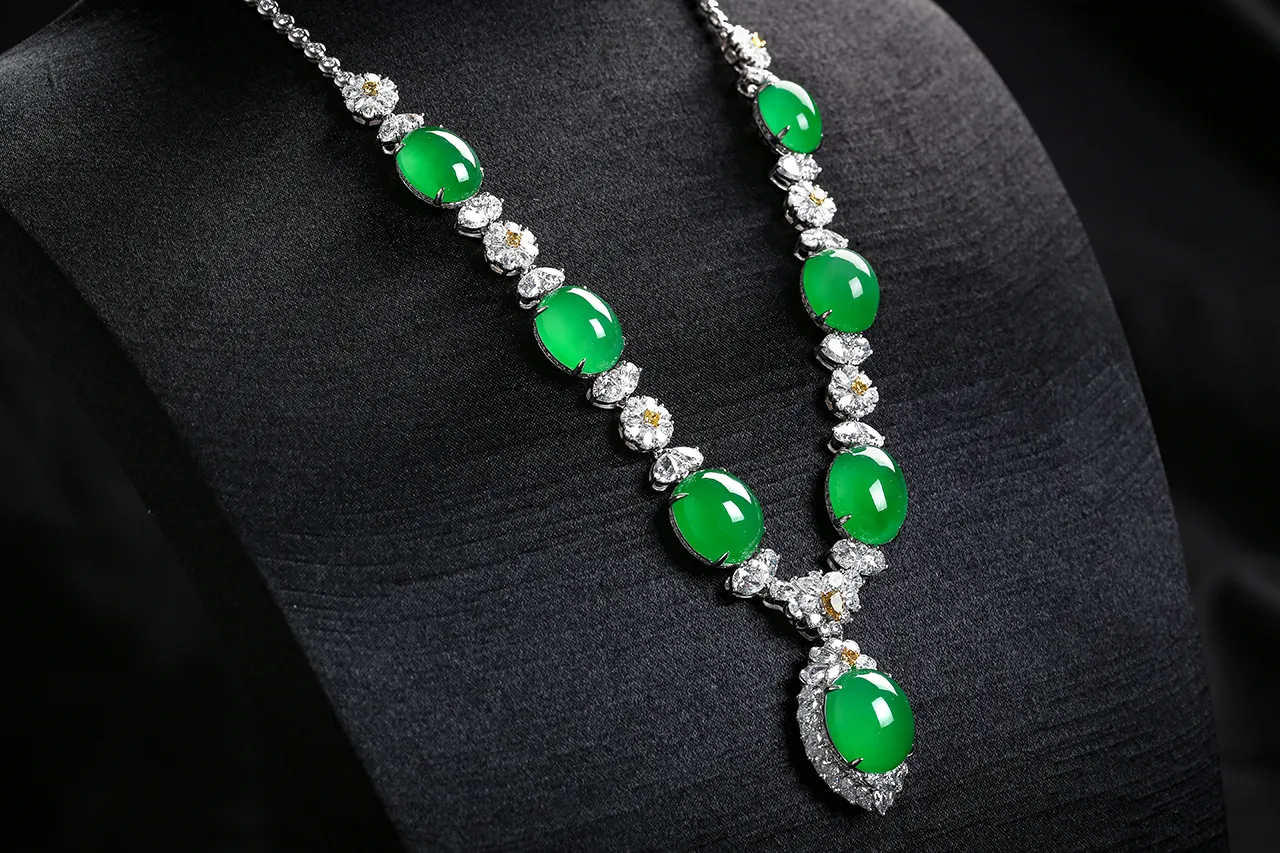
「A货」等说法:先建立正确预期
消费语境里常听到 A / B / C 货等说法。通俗理解(非法律定义):
- A货:通常指未经酸洗注胶等优化处理的天然翡翠(仍可能有切割、抛光等常规工艺)。
- B / C 等:常指经过漂白注胶、染色等处理的材料。处理与否、处理方式,应以正规检测结论为准。
如何开始判断(实用清单)
- 看用途:日常佩戴、纪念日、收藏,对完整性、尺寸、耐用性的要求不同。
- 看整体:先远观气韵,再近看棉、裂、色带,避免只盯一点。
- 看光线:自然光与暖光下差异可能很大;远程看料时请要求多角度、多光源影像。
- 看工艺匹配:料的形状、厚度是否支撑你想要的形制(戒面、吊坠、把件等)。
- 看条款:天然差异、改动、定金与周期是否写清楚(见定制须知)。
常见误区(简要)
- 「越绿越贵」——颜色只是维度之一,还要看种水、完整性与工艺。
- 「完全无瑕才叫好」——天然料几乎总有特征;关键是特征是否影响结构与美观,以及是否提前披露。
- 「一张证书解决一切」——证书有范围与结论表述,需阅读报告正文,而非只看封面。
下一步
若你已有大致预算与用途,欢迎进入定制沟通;若仍在学习阶段,也可以只问问题。
Texture · Water · Color
Trade talk often splits jadeite appearance into texture (种), transparency/“water” (水), and color (色)—plus craft (工). They interact. No single score replaces careful viewing or clear imagery.
Texture (种)
Grain size and structure—how fine or “mature” the material feels. Finer texture often looks more even and ages gracefully. Coarser stone isn’t automatically “bad,” but it reads differently and attracts different buyers.
Water (水)
How light passes through. Stronger translucency can look lusher—yet it may also reveal inclusions. Always weigh water with texture and color.
Color (色)
Hue, saturation, evenness, and distribution. Classic vivid green is prized, but the right piece for your wear context often beats chasing one ideal. Natural banding and color roots are common—and should be disclosed early.
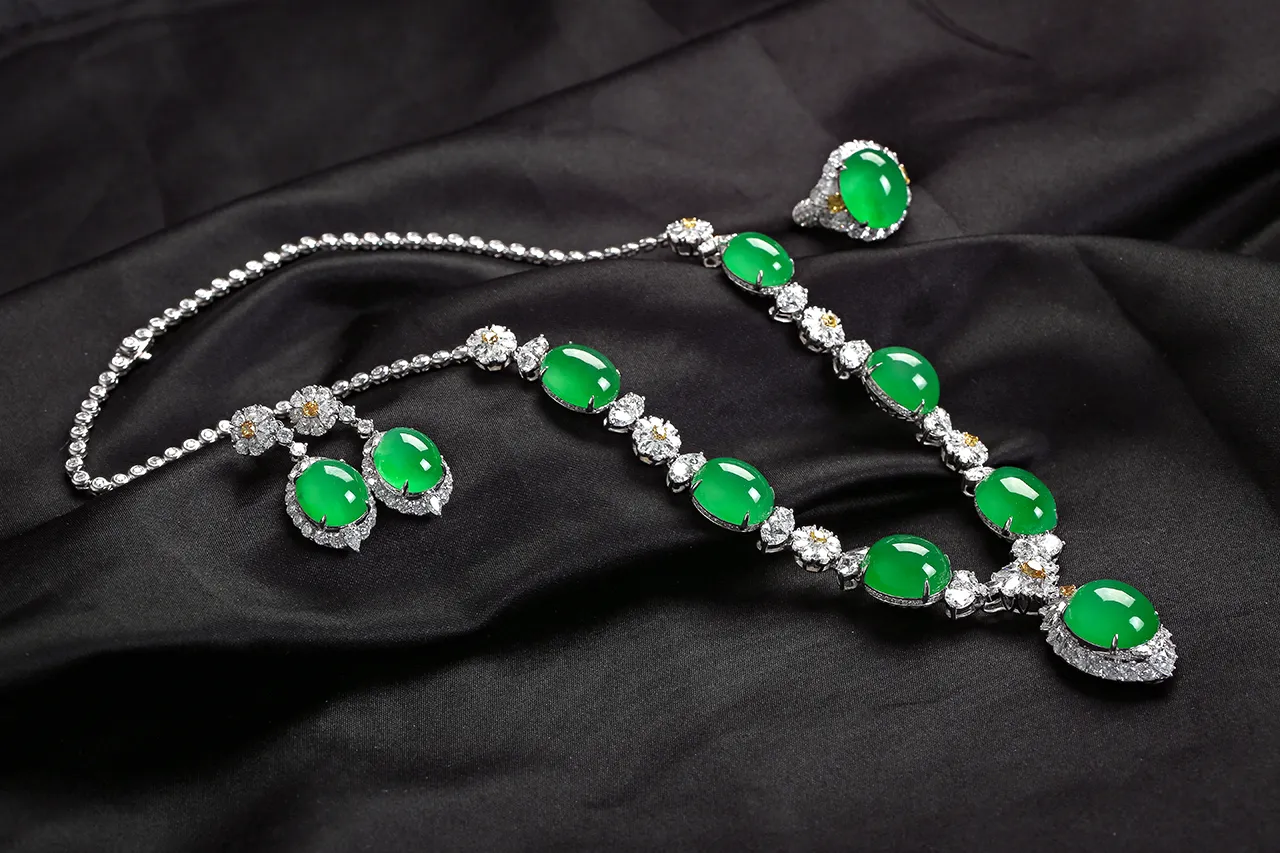
What “Type A” usually means
In consumer talk you’ll hear Type A / B / C and similar labels. Roughly (not a legal definition):
- Type A: Often means natural jadeite without acid-bleach-and-polymer treatments (cutting and polishing still count as normal work).
- B / C etc.: Often refer to bleached/impregnated or dyed material. Treatment status should rest on proper testing—not sales copy alone.
A practical checklist
- Purpose: Daily wear, anniversary, collecting—different needs for integrity, size, durability.
- Whole piece first: Overall presence, then cotton, fissures, banding—don’t fixate on one spot.
- Lighting: Daylight vs warm indoor light can differ a lot; ask for multi-angle, multi-light media when buying remotely.
- Craft fit: Does thickness and shape support the form you want (cabochon, pendant, carving)?
- Terms: Natural variation, changes, deposits, timeline—see Bespoke Terms.
Common myths (short)
- “Greener = better”—color is only one axis; texture, integrity, and craft matter.
- “Flawless only”—natural material almost always has character; what matters is structure, beauty, and disclosure.
- “One certificate settles everything”—read the report scope and wording, not just a cover label.
Next step
If you have a rough budget and use case, start a bespoke conversation. If you’re still learning, questions alone are welcome.